
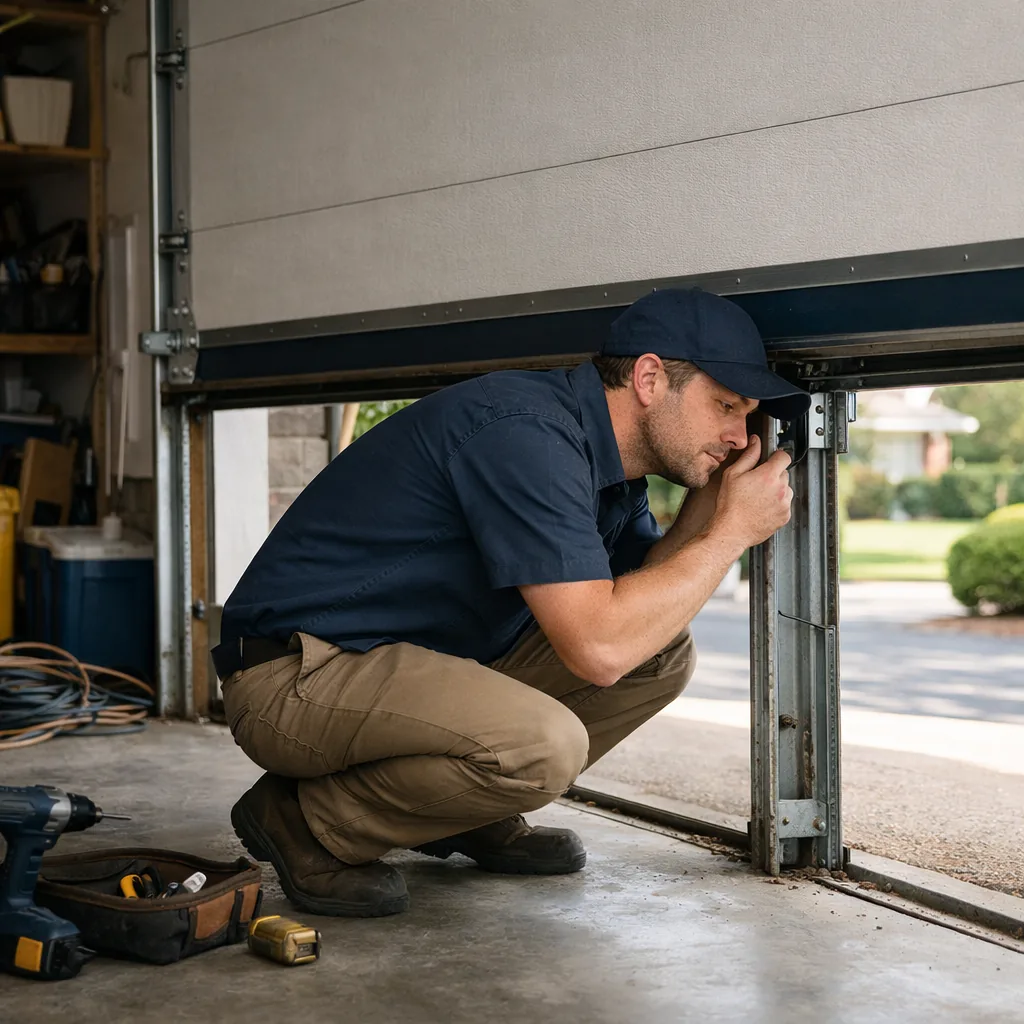
Noisy door repair · Bloomfield Hills, MI
Garage Door Noisy: Causes and Repair
Squeals, grinding, rattles and bangs each point to a different worn part. We come to your Bloomfield Hills home, listen to the door, find the source and explain the fix before any work starts.
CALL NOW: (248) 975-7351- Licensed and insured
- Upfront quote before work begins
- Parts-and-labor warranty
Noisy doors
Why a garage door gets loud
When a garage door is noisy, the sound itself is the first clue. A high squeal usually means dry metal on metal: rollers without lubricant, hinges that have lost their film, or spring coils rubbing together. A rumbling or grinding sound during travel often comes from worn rollers or a track with a bend in it. A sharp pop or bang as the door starts to move points to the springs or to a loose hinge. A rattle that comes and goes is most often a loose bolt or bracket working loose from vibration.
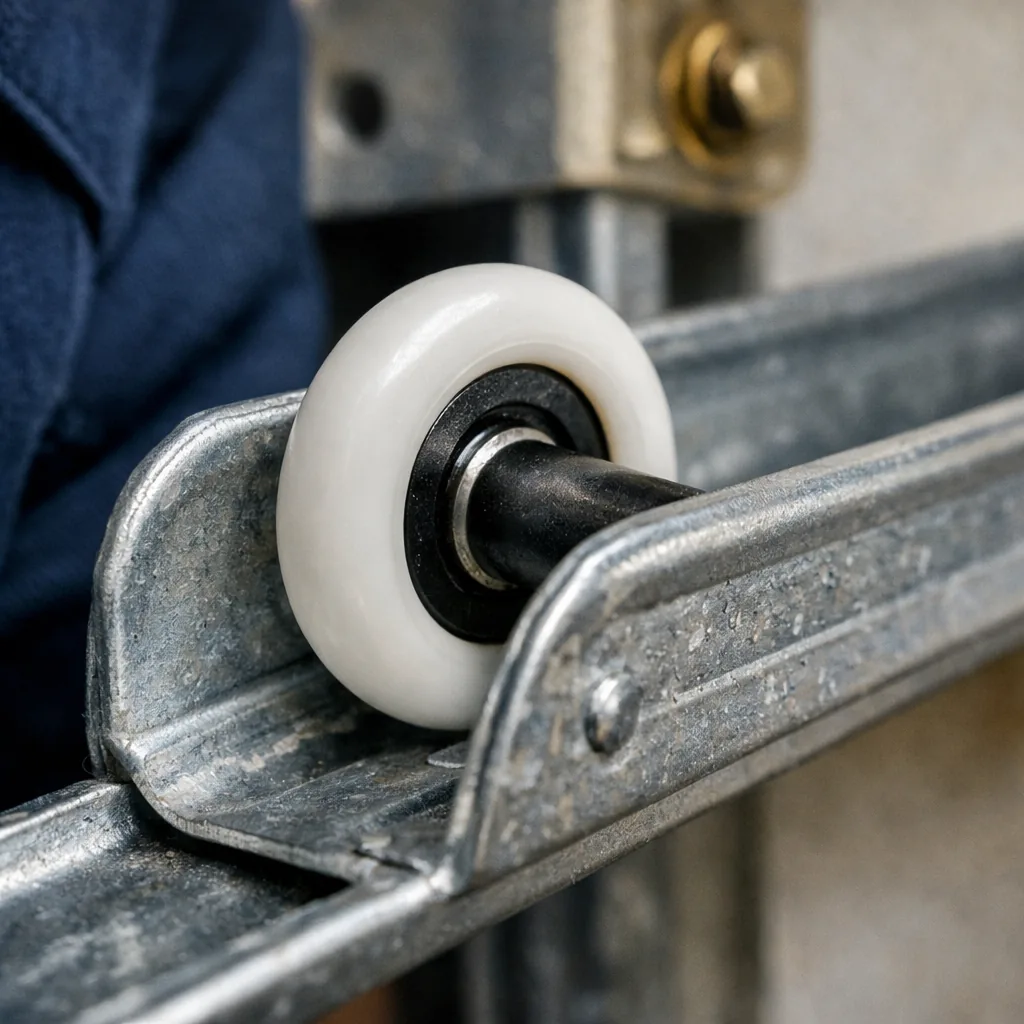
A door that is loud when opening and closing is also telling you it is working harder than it should. Rollers that have flattened or seized make the opener pull against drag, and the motor and drive take the strain. That is why a noisy door is worth a look before the noise becomes a failure. Steel rollers wear out sooner than nylon ones, and nylon rollers with sealed bearings run the quietest of the common types.
If the noise comes from the motor unit rather than the door, a worn drive chain or belt, or a failing gear, is the likely cause, and opener repair is the right path. Most of the time, though, the door itself is the source, and we find out which by listening with the opener disconnected.
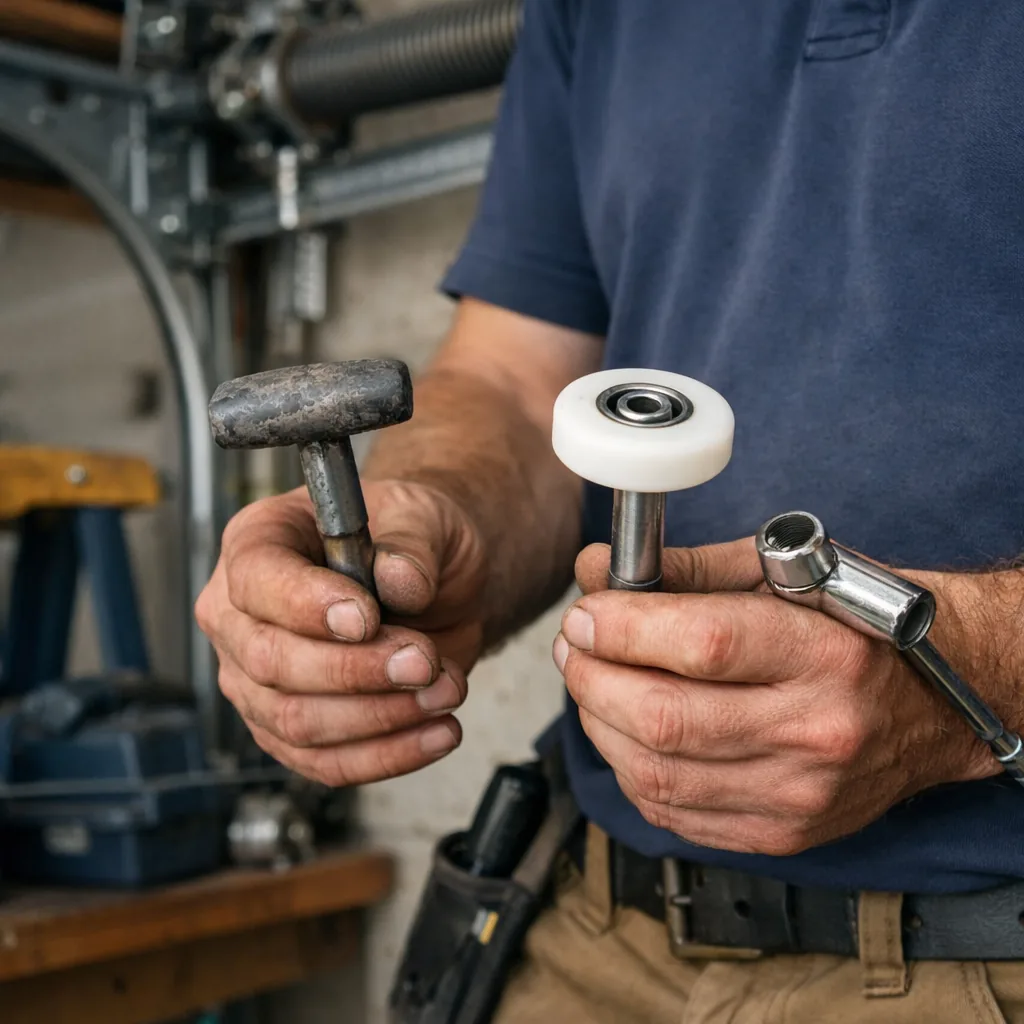
What we check
Common causes of a loud garage door
Dry rollers and hinges
The most common cause. A garage door lubricant brings back a smooth film, and rollers past saving are replaced.
Worn or chipped rollers
A roller with a flat spot or a chipped edge rumbles through the track and makes the whole door vibrate.
Loose hardware
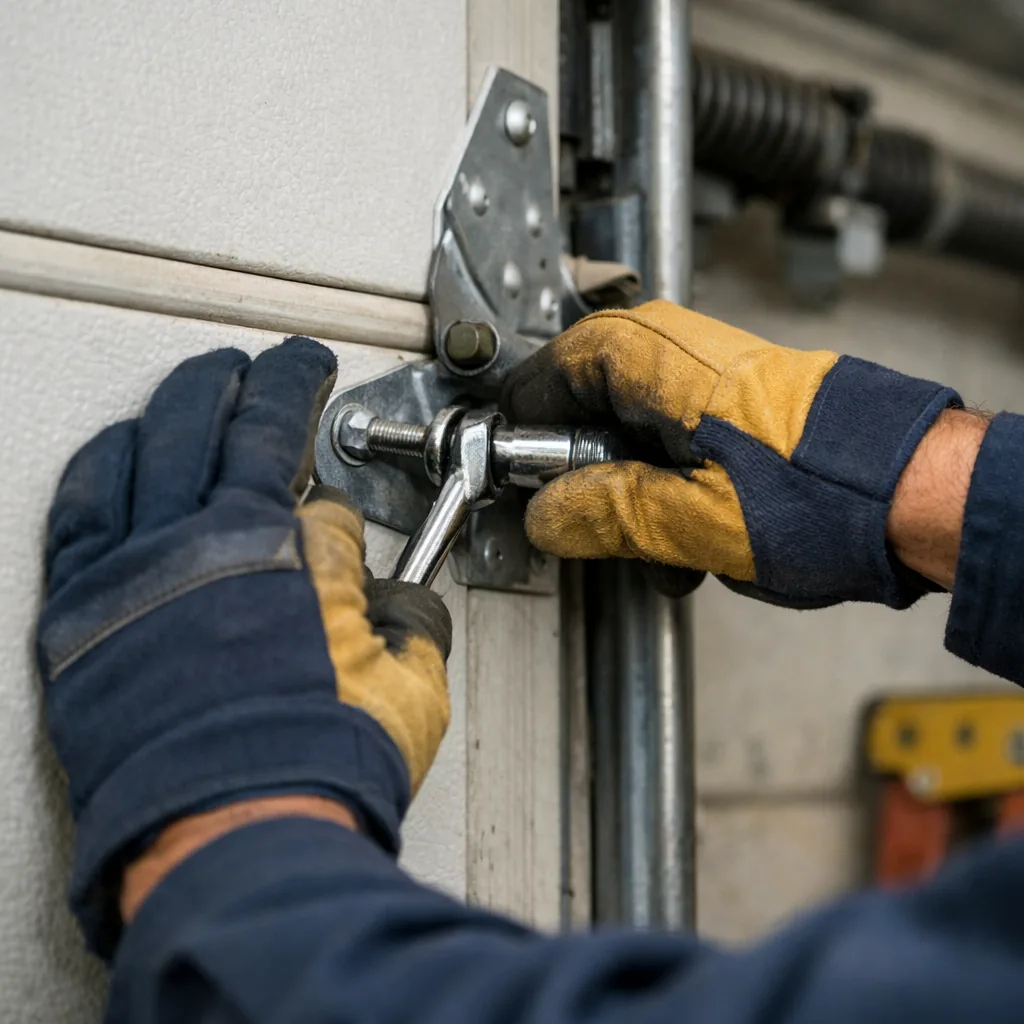
Hinge screws, track brackets and the bolts on the opener rail back out from vibration. A tightened bolt often ends a rattle.
Spring noise
Dry spring coils squeal and creak. A spring close to the end of its cycle life pops or groans, and that is a repair for a technician.
Bent or misaligned track
A dent in the track or a length that has shifted catches the rollers and makes a scraping sound along one side.
Opener drive wear
A dry chain, a stretched belt or a worn gear sounds like a groan or a clatter and is repaired at the opener.
How it works
What happens when you call about a noisy door
-
01
Describe the noise
Tell us whether it squeals, grinds, bangs or rattles, and when it happens: at the start, mid travel or at the bottom.
-
02
We come out and listen
Our technician runs the door with the opener, then by hand, and checks the rollers, hinges, tracks, springs and the opener rail.
-
03
We explain the cause and the price
You hear what is making the noise and what it needs. The quote is upfront, before any work begins.
-
04
We fix it and run the door again
We lubricate, tighten, realign or replace the worn part, then cycle the door until it runs quietly.
Door making noise
A noise that is new is a message. Describe it to us and we will tell you what is probably making it.
CALL NOW: (248) 975-7351Our work
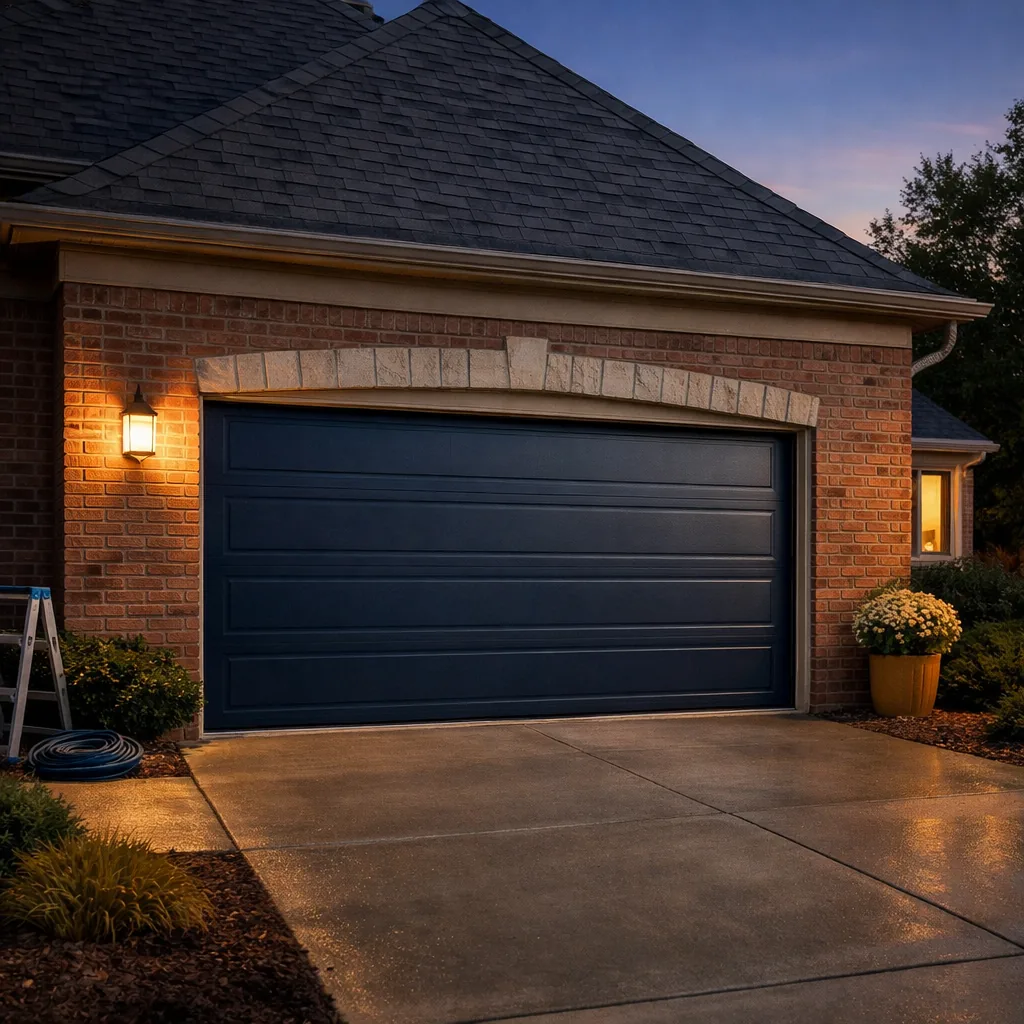
Quieter doors after the repair
FAQ
Noisy garage door questions
Why is my garage door loud when opening and closing?
Will household oil stop the noise?
Is it safe to keep using a noisy door?
Can new rollers make a garage door quieter?
What does fixing a noisy door cost?
Does a loud opener mean I need a new one?
Call us
Garage door making noise?
Tell us what you hear and when you hear it. We come out, find the source, and explain the repair and the price before we pick up a tool. Our technicians are uniformed and licensed and insured, and our repairs are backed by a parts-and-labor warranty.
CALL NOW: (248) 975-7351- Licensed and insured
- Upfront quote before work begins
- Parts-and-labor warranty